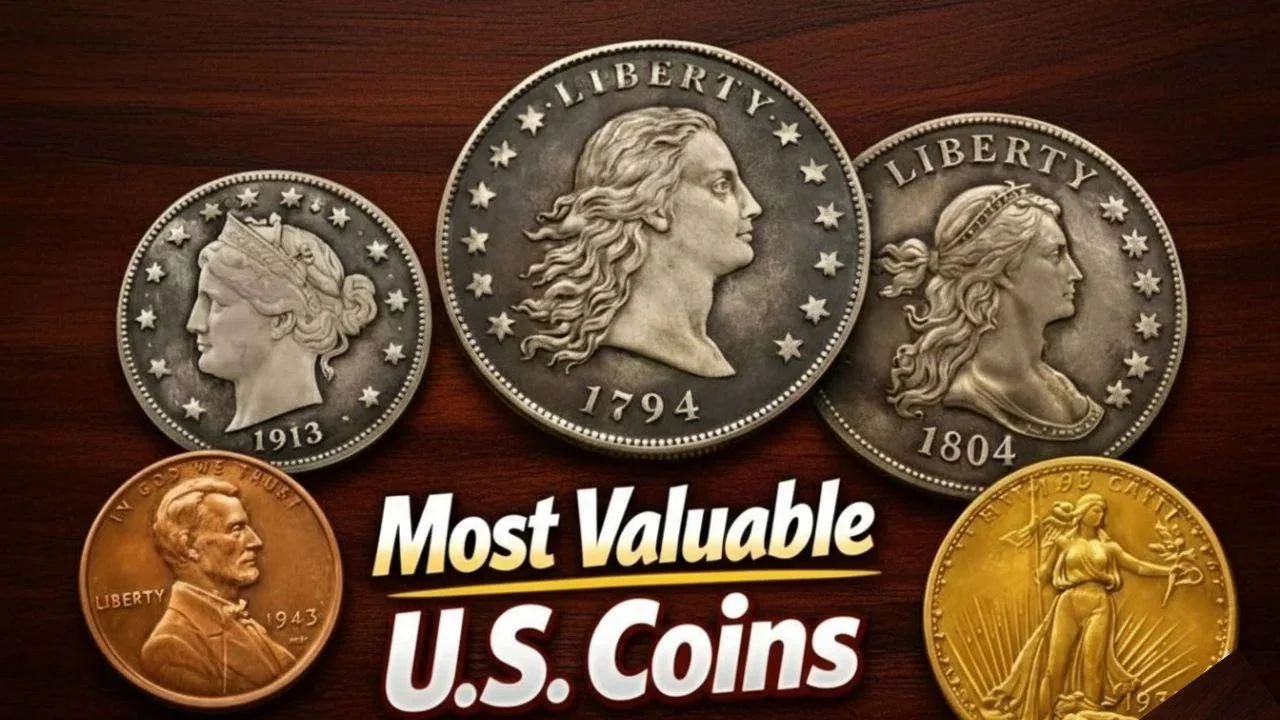
In the refined world of numismatics, perfection is not always the ultimate prize. Some of the most coveted coins are born from moments when machinery misfires, alignment shifts, or metal behaves unpredictably. These rare minting mistakes—often described as “UFO-like” due to their unusual shapes and surreal appearance—have become prized assets among serious collectors and alternative investors.
For affluent hobbyists and tangible-asset seekers, mint errors are more than curiosities. They are historical records, physical snapshots of scarcity, and compelling intersections of market demand and industrial process.
When Precision Manufacturing Produces the Unexpected
Modern mints strike millions of coins daily with extraordinary efficiency. Despite strict quality control, the scale of production naturally allows occasional anomalies to escape detection. These deviations from standard specifications are documented production events, not post-circulation defects. Each one captures a precise mechanical moment frozen in metal.
Unlike damaged or altered coins, authentic mint errors derive value from the production process itself, reflecting genuine mechanical or material irregularities rather than wear or mishandling.
Off-Center Strikes: Misalignment in Motion
One of the most recognizable mint errors occurs when a planchet is misaligned between dies. The result is an off-center design, often leaving a crescent-shaped blank along the coin’s edge.
The value of off-center strikes increases with the severity of the misalignment, especially when 40% to 60% of the design is missing while the date remains intact. Jefferson Nickels and Lincoln Pennies are popular examples, immediately striking the eye of collectors with their dramatic appearance.
Broadstrikes: When the Collar Fails
Coins are normally struck within a retaining collar that contains metal flow and forms the edge. If the collar fails, metal expands outward, producing a broader, thinner coin with distorted edges—a “broadstrike.”
Collectors favor broadstrikes that maintain full design visibility despite the expanded diameter. The resulting symmetry, or deliberate asymmetry, gives these coins a sculptural, almost experimental quality.
Multiple Strikes and Doubled Dies

Coins that receive more than one strike can produce layered imagery, ranging from subtle doubling to chaotic overlaps. While doubled dies are technically distinct, both phenomena demonstrate how minor production variations can yield significant market premiums. Lincoln Pennies with notable doubled dies have achieved legendary status among collectors.
Clipped Planchets: Missing Metal, Maximum Appeal
Before striking, blanks are punched from rolled metal sheets. Misfeeds or overlapping cuts produce “clipped planchets”—coins missing crescent-shaped sections. Size, number, and placement of clips influence collector interest, with multiple or large clips attracting the greatest attention. Authentic clips display the “Blakesley effect,” a subtle weakness opposite the missing metal, confirming their mint origin.
Die Cap Errors: Cup-Shaped Rarities
Die cap errors occur when a struck coin sticks to the die, causing subsequent strikes to deform it into a cup-like shape. Each additional strike further distorts the design, creating rare, sculptural specimens. Roosevelt Dimes and other small-denomination coins displaying die cap errors command high premiums due to scarcity and visual impact.
Rotational Errors: Misaligned Obverse and Reverse
Properly struck coins feature obverse and reverse images aligned vertically. Loose dies can cause rotations beyond standard tolerance. Minor rotations are common and largely unnoticed, but errors exceeding 45 or 90 degrees dramatically increase collector interest. Verification is essential, as mishandling can mimic rotational shifts.
Wrong Planchet Errors: Metal Mismatches
Occasionally, a blank intended for one denomination is struck with dies of another, producing coins with unusual size, weight, or metal composition. Examples include dimes struck on nickel planchets or cents on foreign blanks. These errors are rare and highly desirable when authenticated, offering both visual intrigue and investment potential.
Transitional Errors: Capturing Moments of Change
When mints transition between designs or metal compositions, overlap periods can produce hybrid coins. These transitional errors are prized not only for rarity but also for historical narrative, giving collectors tangible links to shifts in mint policy.
Identifying Genuine Mint Errors
Not all irregular coins hold value. Many anomalies result from damage, environmental exposure, or alteration. To assess potential mint errors:
- Compare with standard coins of the same type
- Inspect edges and strike details under magnification
- Verify weight against official specifications
- Avoid cleaning or polishing
- Seek professional authentication, especially for high-value specimens
Certification is crucial, establishing market credibility and dramatically influencing resale potential.
Market Demand and Investment Potential
Mint errors occupy a unique niche in the alternative asset market. Value derives from natural scarcity, visual distinctiveness, historical significance, and competitive collector demand. Exceptional examples have sold for thousands, or even tens of thousands, at auction. However, not all errors appreciate equally—condition, severity, and desirability determine market performance.
Preserving Unusual Specimens
Proper storage protects these rare coins. Use non-PVC holders or protective slabs, maintain stable humidity and temperature, and never polish or clean the coin. Documentation, including acquisition records and certification, adds credibility and ensures long-term market confidence.
The Allure of Imperfection
In a world that prizes flawless production, mint errors remind us that true value often lies in imperfection. These “UFO-like” coins are tangible artifacts where precision met unpredictability, creating scarcity and visual wonder. For discerning collectors and investors, they offer a compelling blend of rarity, narrative, and aesthetic intrigue—a rare intersection of art, history, and chance.